Easy Home Care for Clean and Healthy Dogs
Keeping your dog clean and well-groomed is not just about appearance—it plays a critical role in overall health, comfort, and happiness. Regular grooming helps prevent skin infections, reduces shedding, improves hygiene, and strengthens the bond between you and your pet. This detailed guide on dog grooming tips will help dog owners understand how to groom their dogs at home safely and effectively.
Whether you own a puppy or an adult dog, learning proper grooming techniques can save money, reduce stress for your pet, and improve long-term health outcomes. This article focuses on easy, practical, and beginner-friendly grooming practices you can follow at home.
Why Dog Grooming Is Important
Dog grooming is a fundamental aspect of pet care. Neglecting grooming can lead to matted fur, skin problems, parasite infestations, and unpleasant odors. Regular grooming allows early detection of health issues such as lumps, rashes, ticks, or infections.
Key benefits of grooming include:
- Healthier skin and coat
- Reduced shedding
- Better hygiene
- Early detection of medical issues
- Improved comfort and mobility
Consistent grooming also helps dogs feel relaxed and confident, especially when introduced gently at a young age.
Essential Dog Grooming Tools for Home Care
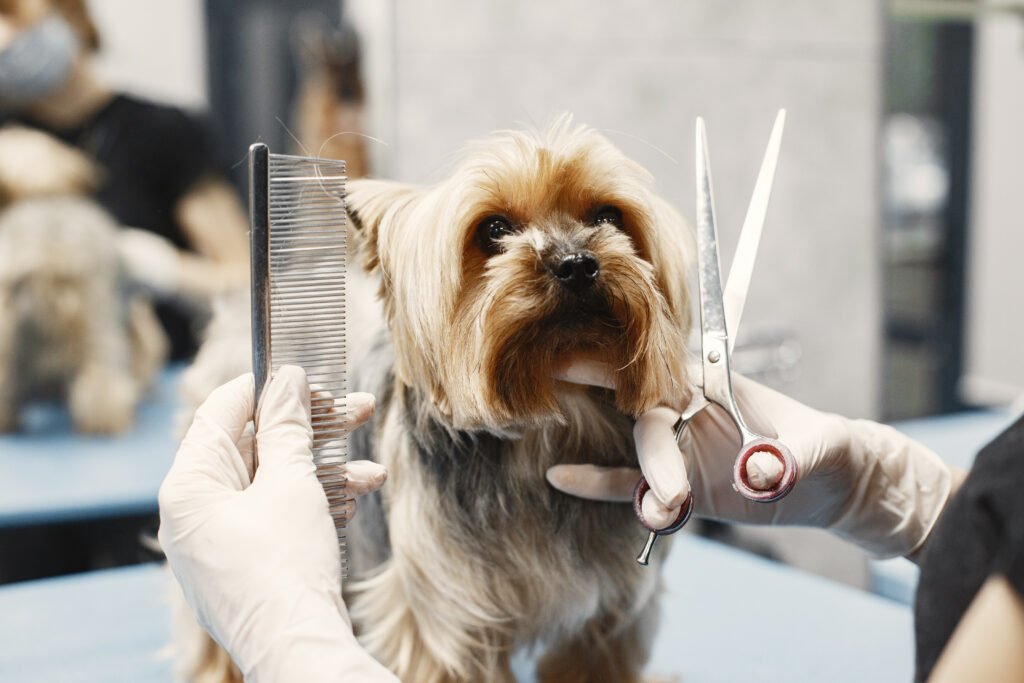
Before starting a grooming routine, ensure you have the right tools. Using proper equipment makes grooming safer and more comfortable for your dog.
Basic Grooming Tools
- Dog brush or comb (based on coat type)
- Dog shampoo (pH-balanced)
- Nail clippers or grinder
- Towel and hair dryer (low heat)
- Ear cleaning solution
- Toothbrush and dog toothpaste
Using human products is not recommended, as they may irritate your dog’s skin.
Easy Dog Grooming Tips for Home Care
Home grooming does not need to be complicated. Follow these practical dog grooming tips to keep your pet clean and healthy.
1. Brushing Your Dog Regularly
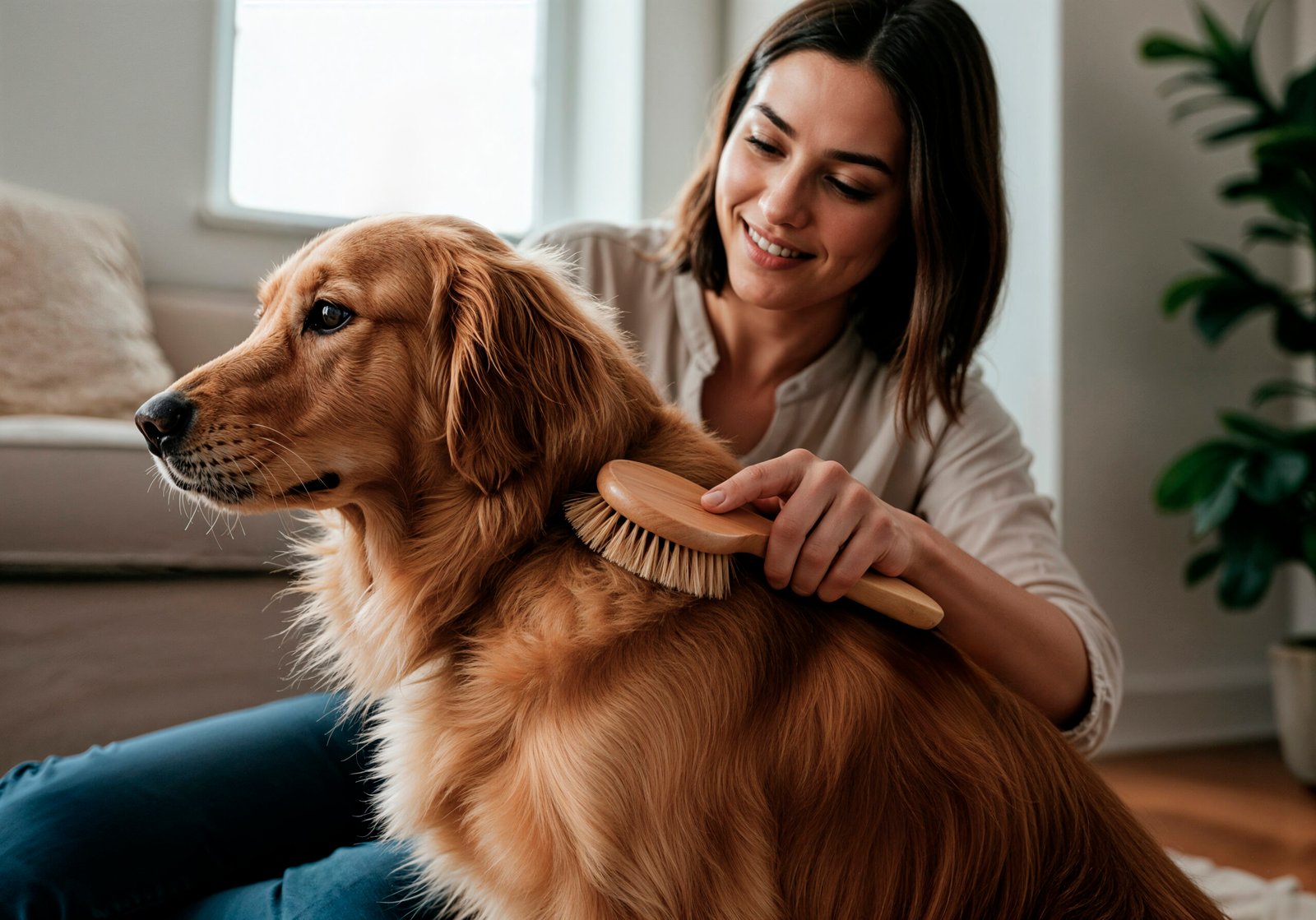
Brushing removes loose hair, dirt, and tangles while distributing natural oils across the coat. Frequency depends on coat type:
- Short-haired dogs: 1–2 times per week
- Medium-haired dogs: 2–3 times per week
- Long-haired dogs: Daily brushing
Regular brushing also reduces shedding and prevents painful matting.
2. Proper Dog Bathing Techniques
Dog bathing is essential but should not be overdone. Bathing too frequently can strip natural oils from the skin.
Bathing tips:
- Use lukewarm water
- Apply dog-specific shampoo
- Avoid eyes and ears
- Rinse thoroughly
- Dry completely to prevent skin infections
Most dogs only need a bath every 4–6 weeks unless they get excessively dirty.
3. Nail Trimming for Dogs
Overgrown nails can cause pain, posture problems, and joint stress. Trim your dog’s nails every 3–4 weeks.
Tips for safe nail trimming:
- Use proper dog nail clippers
- Trim small amounts at a time
- Avoid the quick (blood vessel inside the nail)
- Reward your dog after trimming
If you are unsure, consult a professional groomer or veterinarian.
4. Ear Cleaning and Ear Care
Dogs with floppy ears are more prone to infections. Clean your dog’s ears once every 1–2 weeks.
Steps for ear cleaning:
- Use vet-approved ear solution
- Gently wipe visible dirt with cotton
- Never insert objects deep into the ear
Redness, odor, or excessive scratching may indicate infection and require veterinary attention.
5. Dental Care and Oral Hygiene
Oral health is often overlooked in dog grooming. Poor dental hygiene can lead to gum disease and infections.
Dental care tips:
- Brush teeth 2–3 times a week
- Use dog toothpaste only
- Provide dental chews and toys
Maintaining dental hygiene improves breath and overall health.
Grooming Tips Based on Dog Coat Type
Different dogs have different grooming needs. Understanding coat types helps tailor your grooming routine.
Short Coat Dogs
- Minimal brushing
- Occasional baths
- Focus on skin health
Long Coat Dogs
- Daily brushing
- Regular trimming
- Higher maintenance
Curly or Double Coat Dogs
- Specialized brushes
- Regular grooming sessions
- Avoid shaving unless advised by a vet
Common Dog Grooming Mistakes to Avoid
Even well-intentioned grooming can cause problems if done incorrectly.
Avoid these mistakes:
- Using human shampoo
- Bathing too frequently
- Skipping brushing sessions
- Ignoring ear and dental care
- Forcing grooming when the dog is anxious
Always introduce grooming gradually and positively.
How Often Should You Groom Your Dog?
Grooming frequency depends on breed, coat type, lifestyle, and health condition.
General guideline:
- Brushing: Weekly to daily
- Bathing: Every 4–6 weeks
- Nail trimming: Monthly
- Ear cleaning: Bi-weekly
Consistency is more important than frequency.
Professional Grooming vs Home Grooming
Home grooming is ideal for routine care, while professional grooming may be necessary for:
- Severe matting
- Breed-specific cuts
- Medical grooming needs
A balanced approach combining home and professional grooming often works best.
Building a Stress-Free Grooming Routine
Dogs respond best to grooming when it is calm and predictable.
Tips to reduce stress:
- Start grooming early in life
- Keep sessions short
- Use positive reinforcement
- Groom in a quiet environment
Over time, grooming becomes a bonding experience rather than a struggle.
FAQs About Dog Grooming Tips
1. How often should I groom my dog at home?
Most dogs need brushing weekly, bathing every 4–6 weeks, and nail trimming once a month.
2. Can I groom my dog without professional help?
Yes, basic grooming can be done at home with proper tools and techniques.
3. What is the best shampoo for dogs?
Always use dog-specific shampoo designed for your dog’s skin type.
4. Is dog grooming necessary for short-haired dogs?
Yes, even short-haired dogs need brushing, bathing, and nail care.
5. What should I do if my dog hates grooming?
Start slowly, use treats, and keep sessions short. Patience is key.